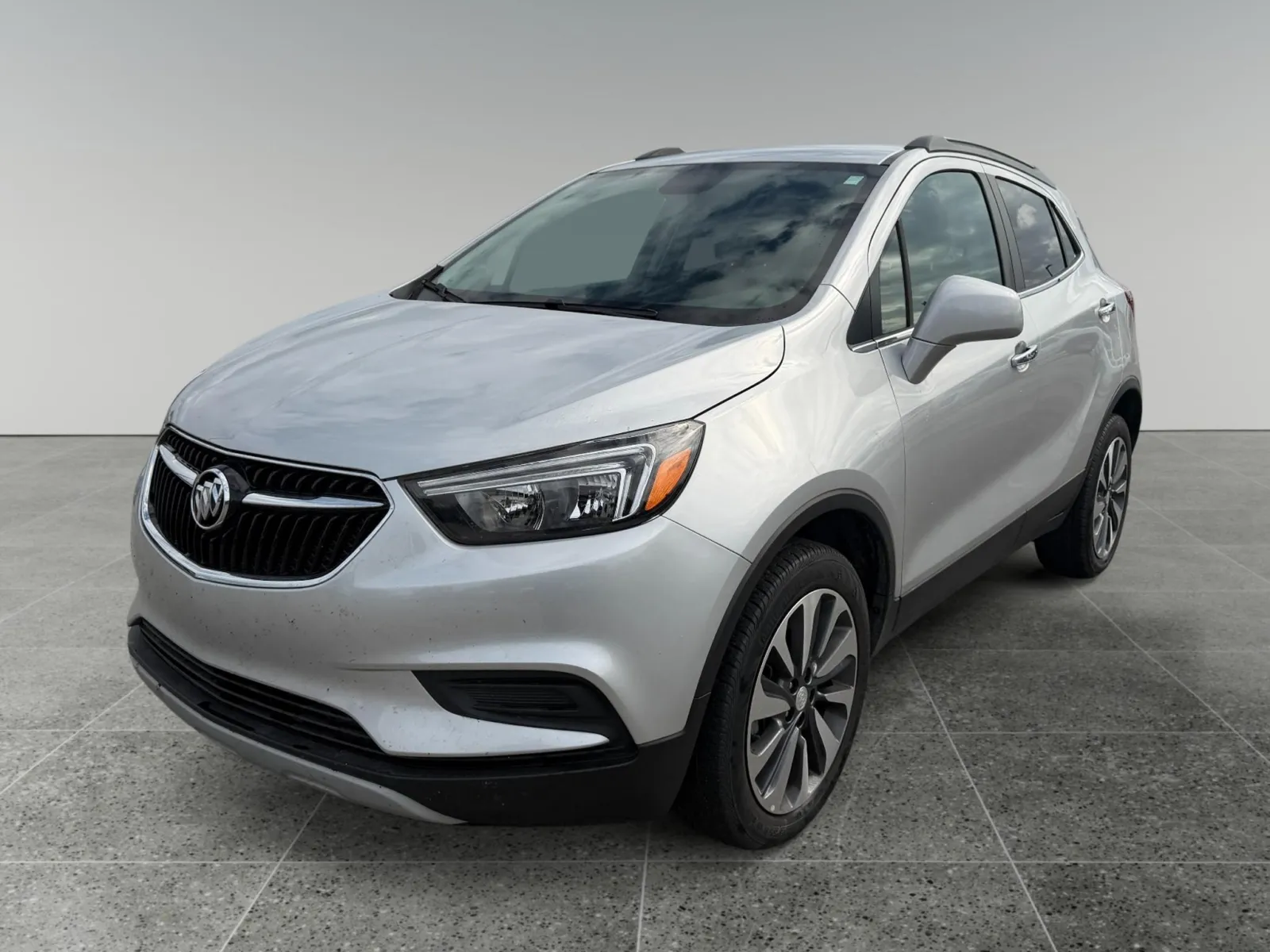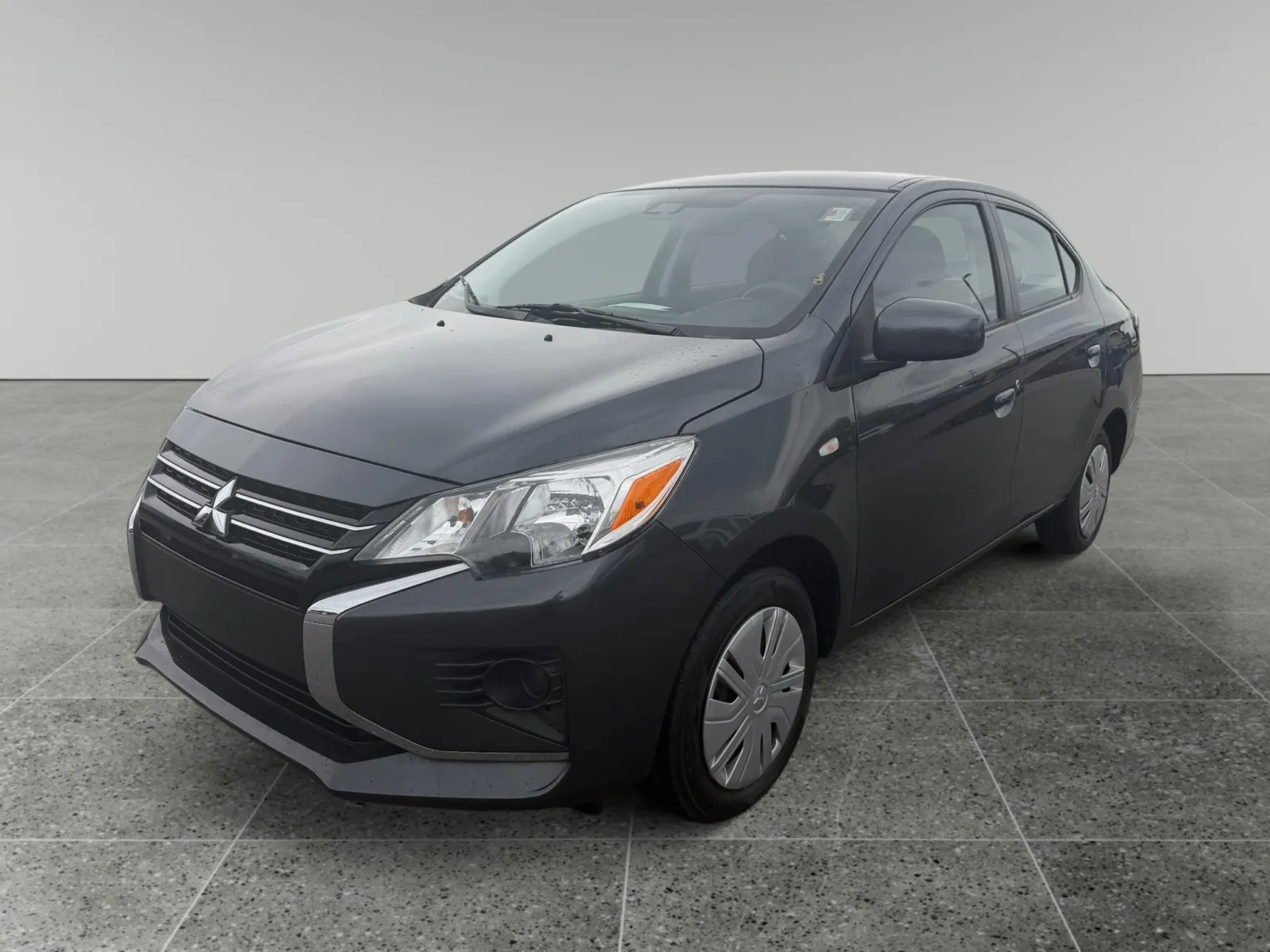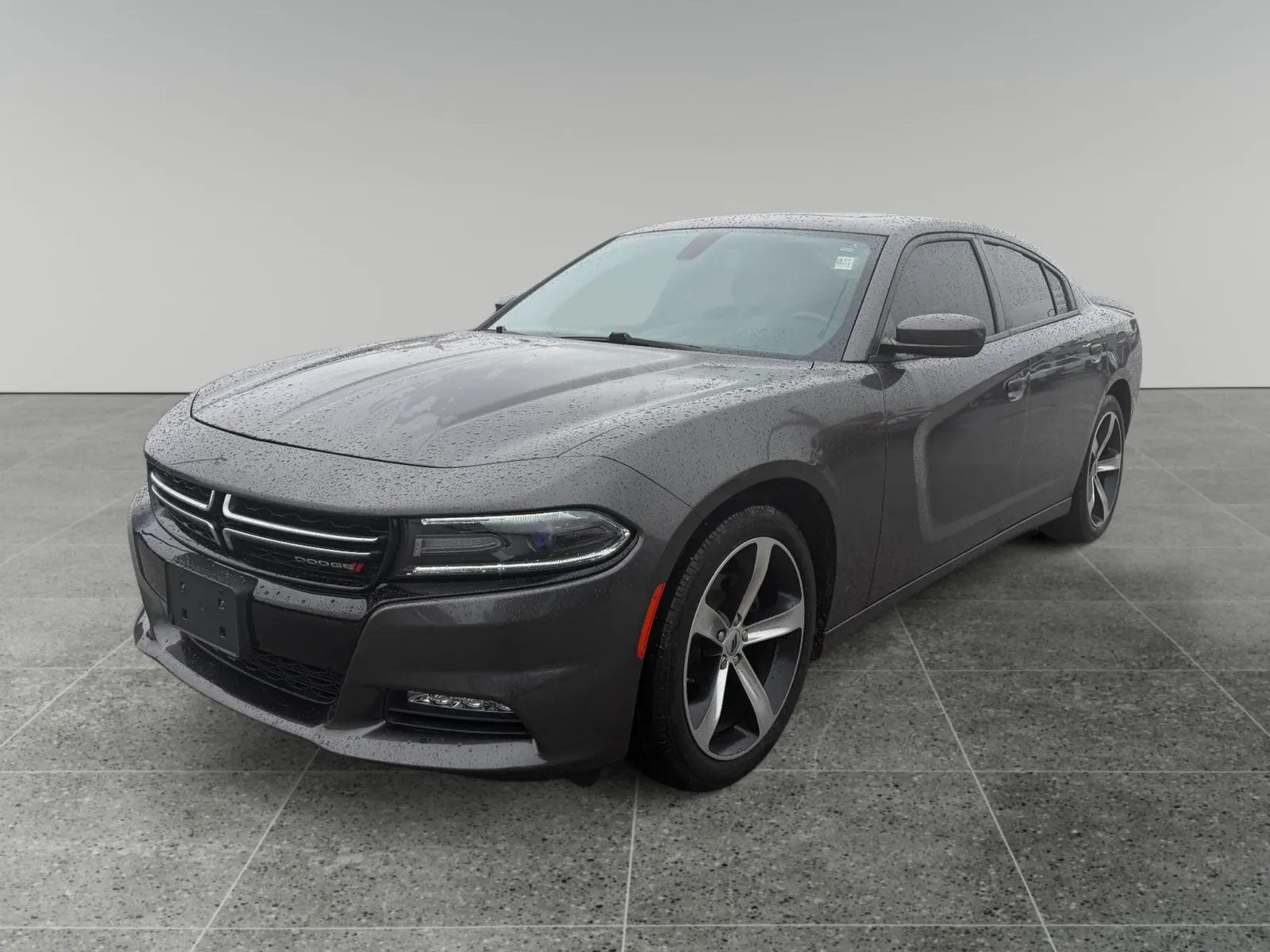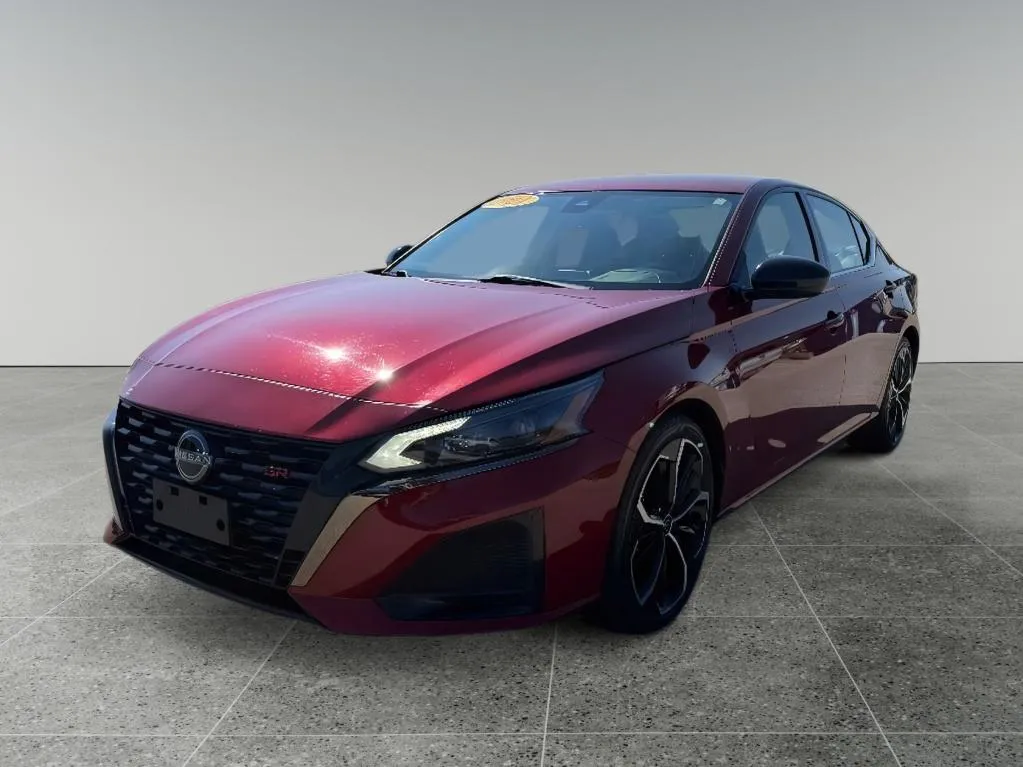
What Should I Check on a Test Drive near Princeton, IN?
Dorsett Automotive - What Should I Check on a Test Drive near Princeton, IN?
A thoughtful test drive can reveal more about a used car than hours of online research. The trick is to approach your drive with a plan that mirrors your daily routine, while also probing areas where problems like excessive noise, vibrations, or warning lights may hide. Below is a structured approach to make every minute count, especially if you are shortlisting two or three contenders and want to make an objective decision at the end of the day.
Start by confirming the basics: tires match and wear evenly, body panels align consistently, and the cabin electronics power up without glitches. Once on the road, check how the vehicle accelerates from a stop, merges onto the highway, and settles at speed. Smooth, predictable behavior is what you want — lurching, hesitation, or hunting gears could point to underlying issues. Then evaluate the suspension over bumps and imperfect pavement, noting any clunks or rattles. Finish by parking on a flat surface and rechecking for drips or new warning lights. This simple flow helps you build a reliable impression of the car’s mechanical and structural health.
- Plan your route: Include a mix of low-speed streets, highway stretches, and rougher pavement to test a full range of driving scenarios.
- Warm and cold start: If possible, hear the vehicle start cold and after a drive; knocking or ticking at either stage can be informative.
- Brake progressively: Test gentle and firm stops to assess pedal feel, stopping distance, and any pulsing that could signal rotor issues.
- Steering and tracking: On a straight, lightly traveled road, confirm the vehicle tracks straight without constant correction.
- Infotainment and ADAS: Pair your phone, test the backup camera, and try lane-keeping or blind-spot alerts if equipped.
During your visit, do not hesitate to ask for a lift inspection or a technician walk-through — understanding what a service professional sees under the vehicle can be invaluable. If you are comparing two similar models, ask for an apples-to-apples feature rundown and double-check common wear points like brakes, tires, and battery age. A side-by-side checklist will help you prioritize which vehicle aligns with how you drive and what you expect from ownership over the next 24 months.
Frequently Asked Questions:
How long should a proper test drive take?
Expect 20 to 30 minutes for a single route that covers city streets, highway speeds, and a few rough sections. If you are comparing two vehicles, budget about an hour to drive each and review findings.
What should I listen for during the drive?
Listen for clunks over bumps, humming that rises with speed, grinding under braking, and any whining during turns. Each sound can point to specific systems — suspension, wheel bearings, brakes, or power steering.
Is it okay to test driver-assistance features?
Yes. Ask a product specialist to demonstrate features like adaptive cruise control, lane keeping, and blind-spot monitoring on appropriate roads. Learn how to enable, adjust, and disable settings so you are comfortable using them daily.
Should I schedule a pre-purchase inspection after the test drive?
If you are serious about a vehicle, a pre-purchase inspection can validate your impressions and catch issues that are easy to miss on a short drive. It is particularly useful when two vehicles feel equally strong on the road.
When you are ready to move from research to results, a structured test drive plus a clear inspection is the quickest path to confidence. Dorsett Automotive offers curated routes, certified technicians, and side-by-side comparisons to help you make an informed decision. Visit our showroom serving Princeton, Terre Haute, and Clinton to plan your test drives, request inspection summaries, and line up your next steps with a knowledgeable specialist.
Request more information