Used Chevy vs. Ford SUVs — Practical Shopping Tips for Families around Lafayette, IN
Dorsett Automotive - Used Chevy vs. Ford SUVs — Practical Shopping Tips for Families around Lafayette, IN
Shopping for a family SUV around Lafayette means blending campus-area agility with weekend-outing flexibility. The right used Chevy or Ford SUV should squeeze into a busy State Street lot on a weekday and then swallow sports gear or home-store finds for a Saturday project. Here’s a road-tested guide to comparing the two lineups with a focus on real life in and around Tippecanoe County.
Start with size and seating you will actually use
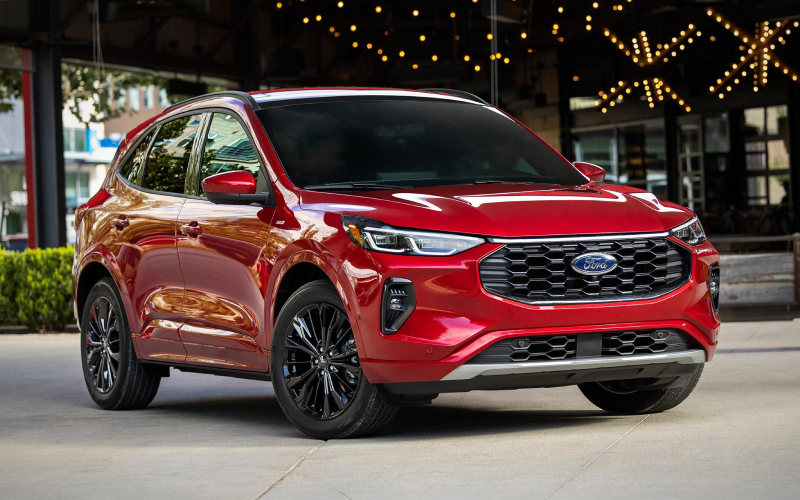
If your parking routine includes tight turns and parallel spots near downtown or the Purdue area, a compact like Chevrolet Equinox or Ford Escape delivers easy maneuvering without sacrificing adult-friendly rear seats. If you constantly juggle carpool duty, look to three-row midsize options such as Chevrolet Traverse or Ford Explorer. When you evaluate third rows, fold and unfold them yourself, check headroom and knee clearance, and confirm cargo depth with the third row in place; that’s the dimension that matters for strollers and backpacks on a school day.
Powertrains, traction, and towing clarity
On US-52 or Sagamore Parkway, turbocharged four-cylinder engines found in Equinox and Escape provide zippy torque for quick merges while keeping fuel use in check. In midsize SUVs, V6 power shows its value with a full cabin and interstate speeds, offering relaxed passing and steady hill climbs. If you tow a small camper to Prophetstown State Park, look for factory tow packages, transmission coolers, and wiring—then confirm the exact tow rating for the engine, axle ratio, and drivetrain. For winter traction or gravel driveways, prioritize all-wheel drive or, in larger models, a 4WD system with a selectable terrain mode.
Technology that makes every errand easier
Whether you gravitate to Chevrolet’s straightforward menu design or Ford’s SYNC interface, set aside a few minutes to pair your phone, test voice commands, and explore the navigation and audio controls. Wireless smartphone integration, multiple USB ports, and a clear rearview camera reduce everyday friction. Driver-assistance features such as adaptive cruise control, blind-spot monitoring, and lane-keeping can trim stress on I-65 or during stop-and-go around Creasy Lane. Try these systems on your test route—feel how smoothly adaptive cruise manages gaps and how unobtrusively lane support nudges you back on center.
Ride quality, noise, and seat comfort matter more than you think
Short drives hide comfort gaps. A 20-minute route that includes neighborhood streets, a stretch of interstate, and a few imperfect surfaces near South Street will reveal ride and cabin-noise differences across trims and tire packages. Check lumbar support and thigh cushion length, especially for taller drivers. If your schedule includes frequent game-day trips, second-row seat contouring and recline range may decide which SUV wins over your crew.
Ownership confidence is where the right dealership partnership pays off. Look for vehicles that have passed a detailed inspection and come with clear reconditioning notes. Certification paths and added powertrain coverage on qualifying pre-owned SUVs can minimize long-term surprises. Maintenance convenience counts too—factory-trained technicians, online scheduling, and OEM parts contribute to a smoother ownership arc, protecting both performance and resale value.
Once you have a short list, compare the most-used features head to head. Plan the same test loop for each SUV, load the cargo area with your real gear, and verify child-seat fit with LATCH anchors. If towing matters, bring your trailer specs and ask to confirm hitch class, wiring presence, and the SUV’s rated capacity for its exact build. The goal is not just to like how an SUV drives, but to confirm it will handle your heaviest weekday and your fullest weekend without fuss.
Budgeting is easier when you evaluate the total picture. Beyond the purchase price, weigh insurance, fuel, tires, and maintenance. Turbocharged engines reward gentle driving with strong efficiency; larger SUVs trade some mpg for confidence with passengers and cargo. Properly maintained, both Chevy and Ford SUVs hold up well—service records and inspection transparency are the best predictors of the next 50,000 miles.
When you visit, bring your license, insurance card, and trade-in details to streamline the process. A side-by-side look at an Equinox and Escape or a Traverse and Explorer will often make your decision obvious within a mile or two. If it does not, that is useful too—sometimes the deciding factor is an infotainment layout that feels intuitive or a seat that hits the right support points for longer commutes.
For shoppers comparing options and seeking a straightforward process, Dorsett Automotive provides a curated selection and knowledgeable guidance that keeps the focus on what fits your life. With one visit, you can test multiple configurations back to back, review inspection results, and map your own mixed-use test route that mirrors your Lafayette routine.
Before you head home, make sure you are comfortable with the ownership plan—service intervals, tire rotation schedule, and where to turn for quick support. Confidence grows when you know how your SUV is maintained and who will handle that work. That certainty is as valuable as any horsepower or screen size when the miles add up.
Ready to compare? Set up your test drive window, pack your everyday cargo, and plan a loop that includes campus-area traffic, a stretch of I-65, and a few imperfect back roads. Choose the SUV that makes that route feel easy. The right used Chevy or Ford will not just check boxes on a spec sheet—it will make your weekday rhythm smoother and your weekends simpler, mile after mile, serving Champaign, Evansville, and Lafayette.
Request more information